Your Book Body-Count Is Worthless
Read Like It Matters (Because It Does)
đ Iâm JA Westenberg. I write essays about technology, philosophy, productivity, and what it means to be human. If you like ideas that take their time, youâre in the right place.
While youâre here, a few things Iâve built: Kerouac, a writing app | Post Through It, a solo microblogging tool | Distributism.ai, my MCP platform | Laterware, all the AI news you need | Studio Self, a thought leadership agency for founders x VCs.
You can buy my book Permissionless here.
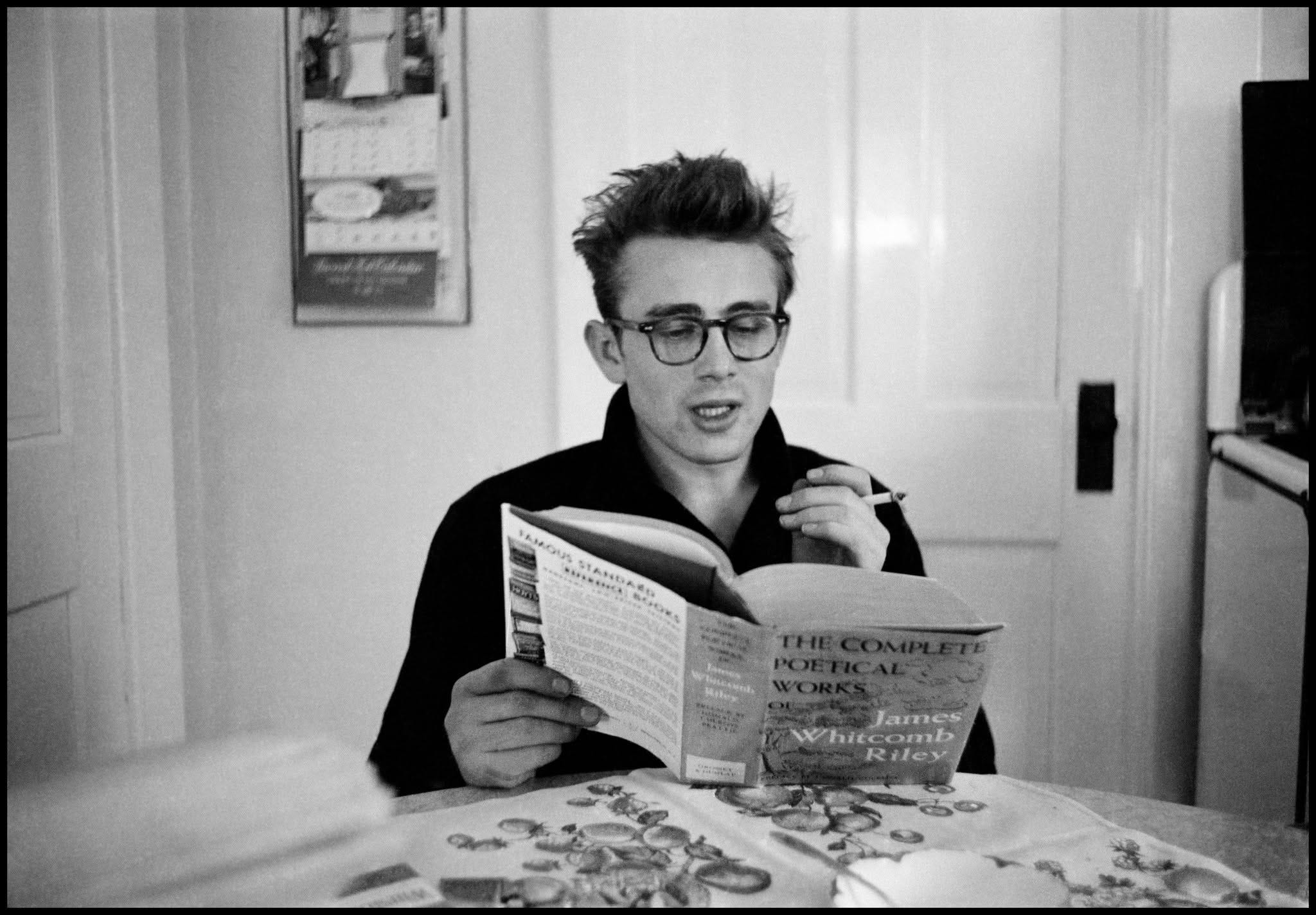
The reading influencers on TikTok seem to have accomplished something Iâd previously imagined impossible: theyâve made reading itself a toxic competitive sport. Itâs no longer enough to read a book, to love a book, even to like a book; quantity is now king for Booktokkers. And theyâre not entirely alone in the pursuit of leaderboarding the written word; productivity hackers and bloggers have turned the accumulation of speed-read books into a metric for success too.
But I find ânumber go upâ to be a terrible reason to read anything.
You may be able to mark a thousand books as âFinishedâ on Goodreads, but itâs not worth an awful lot if your mind remains empty.
John Locke, for all his failure to capture the short-form video market, said it perfectly in 1706:
âReading furnishes the mind only with materials of knowledge; it is thinking makes what we read ours.â
As near as I can tell, there are three ways to read a book:
Accumulation Reading; the hoarding of pages, the finished stack as a trophy shelf. Itâs the end result of reading in order to appear smart, accomplished, intelligent; itâs a form of reading as both consumption and performance. You donât need to gain anything from the time you spend with a tome; nor do you actually have to enjoy it.
All you have to do is burn through a book and get to the finish line of being able to rack it up and post about it.
Neither passion for page nor progress is a prerequisite.
Iâve long accepted that listening to an audiobook counts as reading. I canât accept that skim-reading a book in an hour, or feeding it to Gemini Notebook or Claude for succinct bullet points, amounts to the same thing. If youâve merely existed in the same room as a book being processed - if you havenât exercised your mind to process it yourself - you have done nothing, and you have read nothing. It might help you gain more followers; it might give you bragging rights among the insufferable, but there is little to be proud of if pride is found in something of worth being accomplished.
The second is Thinking Reading. Itâs where you process a book the old-fashioned way - by considering it, sitting with it, and letting it cook. By poking and prodding at it with your mind, and letting it poke back. Letting it challenge you and mould you, or battle your instinct to resist the act of molding in the first place. Thinking reading is the only way you grow; itâs the only way you let information become a part of your personal corpus.
It didnât used to be rare.
The goal of Thinking Reading is accumulation, Iâll grant that; but itâs the accumulation of actual knowledge. Itâs growing the boundaries of what you know. The number of books consumed has no actual bearing on that metric. You can burn through the entire back catalog of Richard Feynman by whichever speedreading technique or chatbot summarisation you so choose, but youâll learn a good deal less (if you learn anything at all) than you would by taking a month to read one of his books at the pace of a normal human being.
The third kind is Reading for Pleasure - a wonderful and noble pursuit. But a pursuit nonetheless; something that must be pursued. Thereâs nothing wrong reading a romantasy novel, or a Dungeons and Dragons supplement, or Dungeon Crawler Carl for that matter (I started it this week.) The requirements are simple: you must read with your mind in the present and on the page, and you must actually have a good bloody time while doing so. Once again - it has no relationship to your book-bodycount.
If all you gain from a book is a number to stack against your followers, and the people you follow, youâll read in a shallow and pointless fashion, and youâll come to the end of every book with only the most hollow and empty sensation. When you turn the last page, youâll be functionally the same person who turned the first; and you wonât even have a few hours of joy, fear, adrenaline, or lust to make it worth your while.
A chapter chewed is better than a whole book gulped and swallowed whole. One book, well understood and carried for a year, dog-eared and worn down with fingerprints covering its pages and its slip cover torn and tattered, is better than a hundred books counted and listed and posted for public admiration.
Stop counting.
Start thinking.
Read like it matters.
(Because it does)


