The bread paradox: why convenience always wins, and why SaaS isn’t doomed
No, you're not going to code your own Notion
I am the proud owner of a lightly used bread machine.
It’s a white appliance about the size of a microwave, and it sits on my kitchen counter,
It cost about a hundred bucks.
The ingredients for a basic loaf are flour, water, yeast, and salt. A bag of flour costs two or three dollars and yields maybe ten loaves. A jar of yeast lasts for months. Salt costs almost nothing. The machine does almost everything: it kneads, it proofs, it bakes. I dump the ingredients in, press a button, and three hours later I have bread.
Well, I have used this machine perhaps twice in three years.
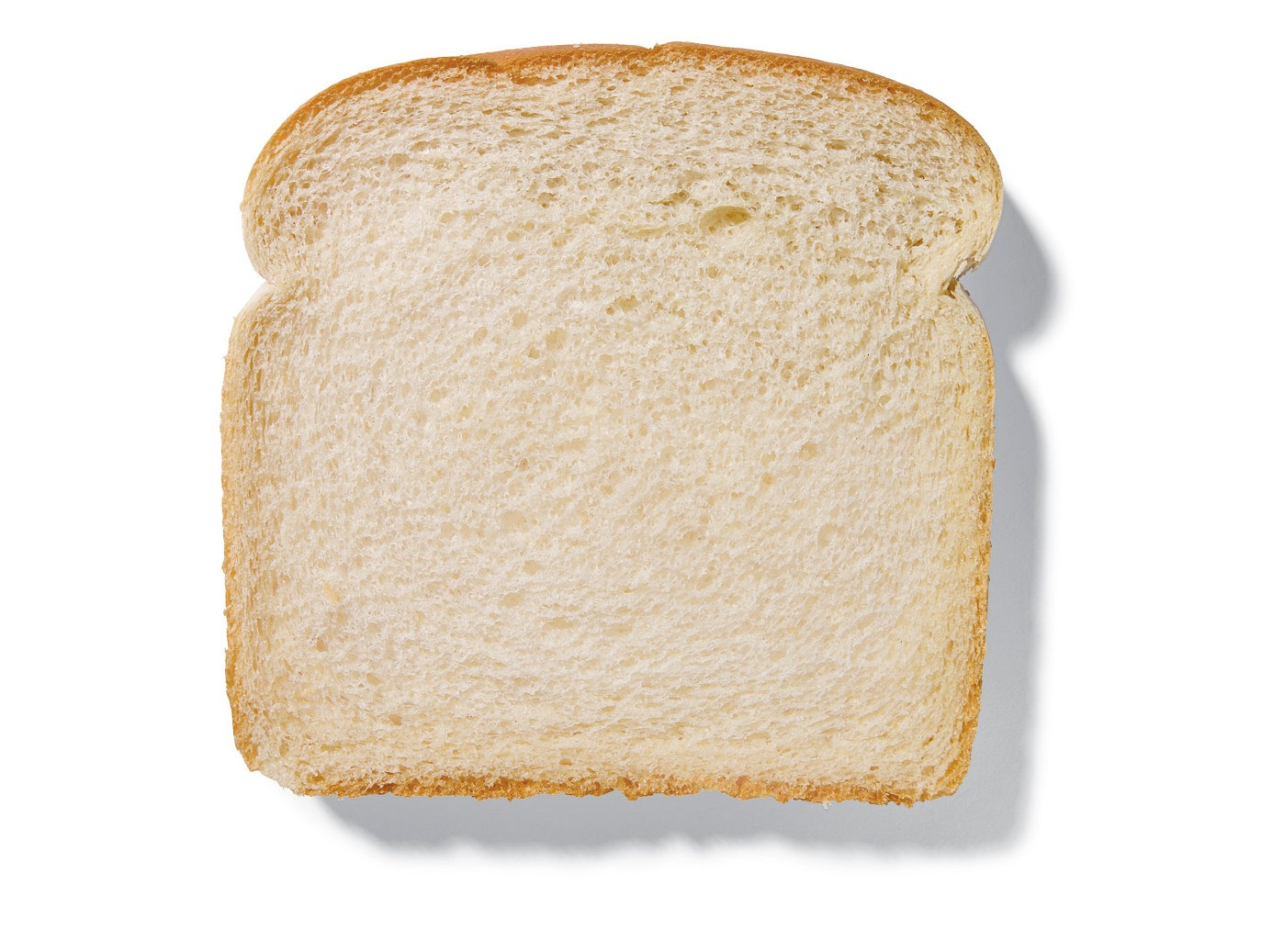
Instead, every week I go to the grocery store and buy a loaf of pre-sliced, factory-produced bread in a plastic bag.
This is the bread paradox.
And it explains why SaaS companies are very, very far from being doomed.
Five thousand years of bread, and we still buy it pre-made
In one form or another, in almost every culture, independently of one another, humans have been baking bread for at least five thousand years.
The ancient Egyptians were running commercial bakeries along the Nile by around 3000 BCE, using emmer wheat and sourdough fermentation techniques that wouldn’t be out of place in a modern artisanal bakery in Brooklyn. The Romans “industrialized “ the process, and by the time Pliny the Elder wrote his Natural History in the first century CE, Rome had a professional bakers’ guild, animal-powered dough-kneading machines, and a distribution network that supplied bread to hundreds of thousands of urban residents who never baked a loaf themselves.
They bought.
And they bought for the same reasons as I did, thousands of years later: because it was easier, because it was consistent, and because the alternative cost time and attention they’d rather have spent elsewhere.
The medieval European guild system kept baking professional for centuries. In London, the Worshipful Company of Bakers received its first royal charter in the 12th century, and sheriffs dragged bakers who sold underweight bread through the streets on a sled as punishment. The guilds enforced standards, maintained training through apprenticeships, and ensured that townspeople bought their bread from specialists rather than making it themselves. The vision of a medieval peasant household where everyone bakes their own daily loaf is a romantic invention. People baked at home when they had no other option. When bakers were available and affordable, they bought.
In 1928, Otto Rohwedder perfected the commercial bread-slicing machine in Chillicothe, Missouri, and within a few years, American bakeries were shipping pre-sliced loaves in mass-produced packaging across the country. In 1961, researchers at the British Baking Industries Research Association in Chorleywood developed a process that reduced bread production time from hours to minutes by using mechanical dough development and chemical additives. By the late 20th century, American bakeries had achieved a level of efficiency and scale that would have been unimaginable to a Roman baker or a medieval guildsman. Today, the United States consumes about 21 million tons of bread and bakery products annually. Divided across the population and the days of the year, Americans buy about 10 million loaves of pre-baked bread each day.
That’s ten million loaves a day, in a country where flour costs pennies per loaf, where bread machines cost under a hundred dollars, where bakers and homemakers have known the recipe for five millennia, and where a machine can do the whole job for you.
The make-or-buy gap
In George Orwell’s essay “In Defence of English Cooking,” he lamented that English bread had become “a pale, fluffy, tasteless thing” thanks to industrial production - but people kept right on buying it. People ate bad industrial bread because it was there, because it was cheap, because it was uniform, and because they couldn’t be fucked baking.
Economists call this the “make-or-buy” decision: a rational actor produces something themselves only when the total cost, including time and opportunity costs, is lower than the cost of buying it from someone else. The total cost, though, is almost always higher than people guess - because they forget to account for the mental overhead. Baking bread takes flour and yeast, but it also takes planning. You have to remember to buy ingredients and start the machine. You have to accept that homemade bread goes stale faster, because it doesn’t have the preservatives that give Wonder Bread its uncanny shelf life. The machine needs cleaning afterward. Each of these steps is minor in isolation, but they build on each other, and the mental cost of doing something yourself, over and over, across a lifetime, is enormous.
And that’s why my bread machine sits unused.
I can make bread.
I have the capacity. I have the skills and the materials.
The ingredients are cheap, and the machine is one button.
But the mental cost of buying bread is even lower: pick up the loaf, put it in the cart. The industrial bread supply chain has condensed thousands of years of baking knowledge, logistics, quality control, packaging, distribution, and shelf-life management into a trip to the grocery store, and the result is worth more to me than the three dollars I would save by making it myself.
Why SaaS is bread, not a bread machine
The argument for SaaS being doomed: AI coding tools have made building software nearly free. You can spin up a custom CRM or a custom analytics dashboard in an afternoon with a good model and a decent prompt. The code is cheap. The infrastructure is cheap. The expertise required is plummeting. Nobody will pay a monthly subscription when they can build their own equivalent for free.
The ingredients cost pennies, the machine costs a hundred bucks, the recipe is public. The bakery is doomed.
But the bakery isn’t doomed.
When a company pays for Notion, or Jira, or Basecamp, or any other tool, they’re paying for what thousands of engineers, compliance officers, security auditors, and domain experts have built and refined over years, sometimes decades. They’re paying for the institutional knowledge in the codebase, the integration ecosystem, the regulatory certifications, the support infrastructure. They’re paying for reliability, predictability, and the peace of mind that comes with knowing someone else keeps the lights on.
A company that decides to build its own version using AI coding tools is buying a bread machine. The ingredients are cheap, and the machine does most of the work, but they’re now the baker. They own the maintenance, edge cases, and security gaps that AI-generated code tends to introduce; AI-generated code has about 1.7 times as many major issues as code written by humans. They own the compliance audits and the 2 AM phone call when the tool breaks and someone has to fix it. And six months later, the person who built the thing has moved to another team, and nobody else understands how it works.
What’s at risk
A tool that converts PDFs to spreadsheets, a tool that generates meeting summaries, a tool that sends automated follow-up emails, etc.: these are single-function products whose whole appeal is a feature that an AI model can now replicate with a prompt. And yes - for a segment of their user base, they are incredibly vulnerable.
But the durable SaaS companies, with deep integrations, proprietary data, compliance certifications, years of domain logic, and ecosystems of partners and consultants, are the equivalent of the industrial baking complex that produces seventy million loaves a day. You can build your own version of what they do, just as I can bake my own loaf of bread. My ability to bake a loaf doesn’t threaten the commercial baking industry, because bakers aren’t selling flour and recipes. They’re selling convenience, consistency, accountability, and someone else to blame when things go wrong.
The Roman plebs understood this five thousand years ago. They could have baked their own bread. They chose not to. Industrial bakeries understood it in the 20th century. The American consumer understands it too, buying 10 million loaves a day despite having every tool and ingredient needed to make their own.
What I think will happen next
I think the SaaS companies that survive will be the ones that understand they sell convenience and accountability. Customers want the supply chain that gets the loaf to the store, and someone to call when the loaf goes bad. AI reduces the cost of making the loaf. It does almost nothing to reduce the cost of building the supply chain.
SaaS pricing will change. Per-seat pricing, which made sense when humans operated software from their desks, will give way to usage-based and outcome-based models as AI agents become a new class of software user. Some thin, single-feature products will die, and they should, because they were never businesses in the first place. They were features priced like businesses during a period when building software was so expensive that even a trivial product could command a subscription fee.
But the core idea behind SaaS, that you can rent a solution to a problem instead of owning the problem yourself, is what has kept commercial bakeries in business since the Roman Empire. It runs on something more basic than technology: people, and the organizations they build, will always prefer to pay someone else to handle complexity if the price is reasonable and the trust is there. Call us lazy bastards, call us pragmatists - we love sliced bread.


No clue what Saas is but I do bake sourdough bread regularly. It’s better.