STATUS // operational
Westenberg. | v1.0 | 2026

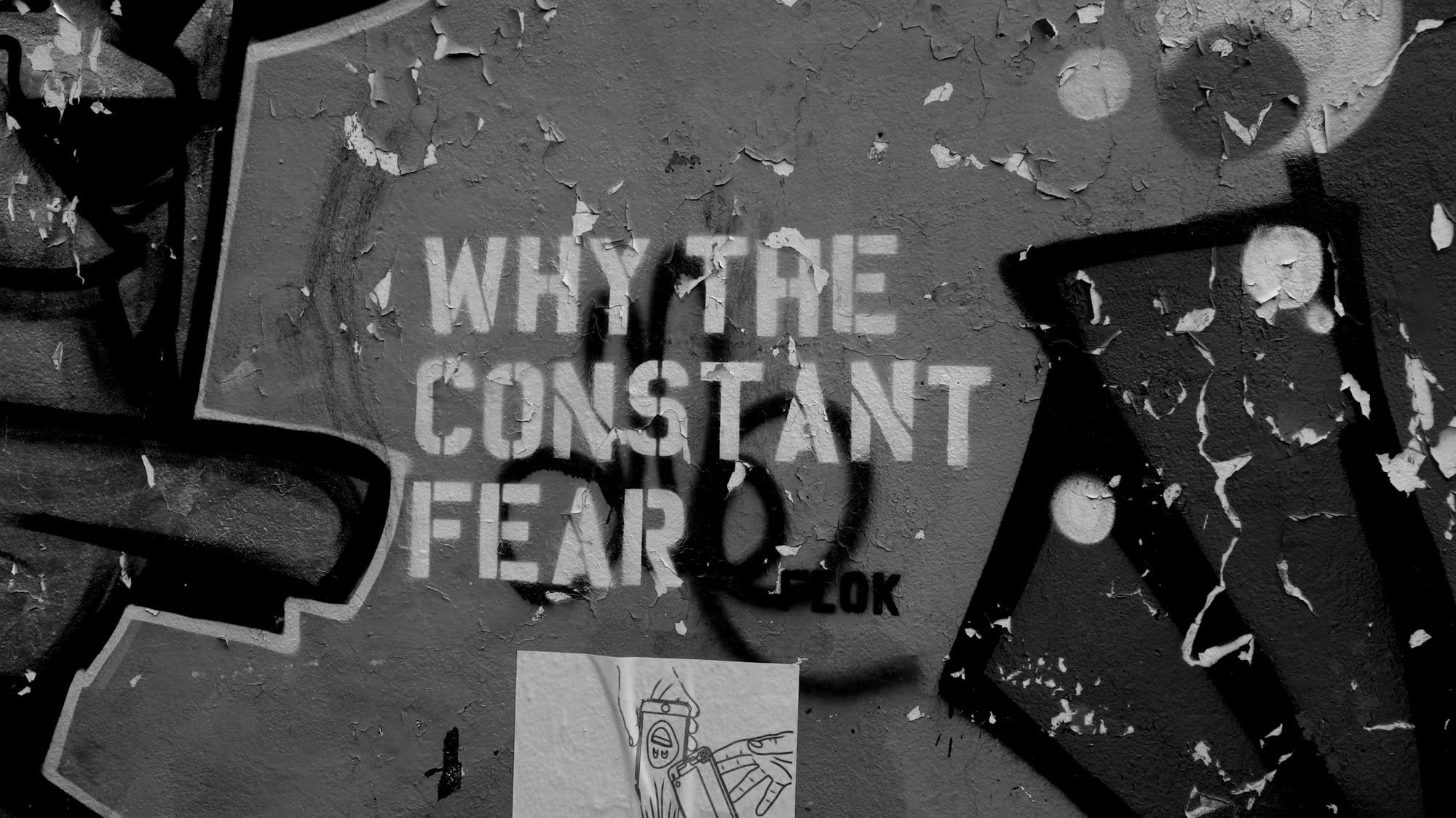
Fear is information.

Fear is information.

The motivational industry has built any number of small empires on the notion that fear is a problem to be either managed, suppressed or out-manoeuvred. Fight the fear, etc. The language is typically martial - as if fear were a hostile enemy, camped at the gates of your better self.

But this is sloppy thinking that comes at a cost.

When the body floods with adrenaline // the mind locks onto a single threat, the system is doing what it evolved to do: reporting on the state of whatever it is you care about. The signal bypasses the conscious mind almost entirely; which is why you can spend years lying to yourself about what you want and still flinch at the wrong moment when the thing you value comes under threat.

My basic claim is this. When someone (anyone, everyone) is afraid, they're telling you what they actually value. Their fear is a noisy, but no less precise indicator of both the surface threat and their underlying stake. A founder who keeps delaying their launch has a private worry that has almost nothing to do with the launch itself; they're deathly afraid of the dissonance between who they've been telling people (and themselves) they are and who the market will reveal them to be. The surface object of the fear is misdirection; the actual content is a value statement signed in the writer's own hand.

You can argue with the rationalisations that get layered on top of the stake, but you can't argue with the signal itself.

People will lie to you about what they want, and they'll lie to themselves with even greater conviction. But their fear won't lie, because it can't. It's older than language and it runs on a circuit that doesn't consult the part of the mind responsible for maintaining a neat // tidy story.

If you want to know what someone actually values, pay attention to what they protect.

A client who keeps fixating on the timeline is afraid of something other than the difference between three weeks and four. Their fear is tied to a board meeting, or a budget cycle, or personal pressure. A prospect who keeps circling back to price is using the price as a placeholder for a deeper fear about whether they'll be able to defend their decision if it all goes sideways.

If you read the fear correctly, you can stop arguing with the placeholder and start addressing the actual stake.

Your own fear works in much the same way; it's drawn from a part of you that doesn't bother with self-deception. When you flinch at sending an email, you're exporting data about that relationship. When a project keeps slipping in your calendar - whether or not you've admitted to deprioritising it - your behaviour is an indicator. The thought of having that one conversation you've been putting off makes your stomach turn because you're responding to a real assessment of the stakes that the "refined" part of your brain has refused to acknowledge.

I've caught myself avoiding decisions for weeks at a time, generating elaborate justifications for the delay, when the actual reason was a single, one-line fear I would've been utterly embarrassed to say out loud.

But the fear is almost always right.

Even if it's usually wrong about what to do with the information…

Fear is excellent intelligence, but it's not much of a strategy. It tells you what's at risk with high fidelity, and what to do about that risk with all the sophistication of a small mammal in a patch of tall grass; the amygdala, after all, rarely understands either long games or leverage. If you let the part of you that knows what's at stake dictate your response to that stake, you'll spend your life flinching away from the things that matter to you and into the things that look superficially safer.

This is why so much of the advice we give // receive about fear is suspicious of the concept without quite understanding why. People do get controlled by their fear, and that control does produce bad outcomes; but it's a mistake to conclude that fear is therefore a corrupting influence and that it has to be smothered. The fear is fine - useful, even. The problem is letting an instrument designed for tactical reflexes write the plan.

Acknowledge the fear and read it carefully; and refuse to be moved by it until you've understood what it's telling you.

Then decide whether the information changes the plan.

But stop treating fear as either a master or an enemy. It's an instrument, and like any instrument, you have to read it and you have to choose what to do with the data it offers.

The list of things you're afraid to lose is the most accurate map you have of whatever you've built your life around. If you want to know what actually matters to you, watch what your nervous system does when something’s threatened. The list might not match the vision document you'd recite on a podcast, but it's much closer to a source of truth.

I find that clarifying rather than depressing.

The world is not as opaque as the official explanations make it look. People are constantly broadcasting what they value, in a frequency older than speech, on a channel they can't turn off. You only have to learn to listen to it, and be willing to listen to yourself.

The discipline is the same in both directions; read the signal carefully, and then decide what to do with the information, free of any pressure to obey it.

$ whois studio-self

Westenberg is designed, built and funded by Studio Self.

We make tech legible.

$ cat ./comments
About/// Self/// RSS/// Tools/// YouTube/// Forum/// About/// Self/// RSS/// Tools/// YouTube/// Forum/// About/// Self/// RSS/// Tools/// YouTube/// Forum/// About/// Self/// RSS/// Tools/// YouTube/// Forum///